Sep 28, 20268 min read
How Often Should You Check on an Elderly Parent at Home?
How often should you check on an elderly parent living alone? A practical framework for daily, weekly, and emergency check-ins as needs change.
VIPCall TeamRead →

100 posts in this category
How often should you check on an elderly parent living alone? A practical framework for daily, weekly, and emergency check-ins as needs change.

Build a practical emergency plan for elderly parent living alone: fall response, medical info, contacts, and daily check-ins that catch trouble early.

A practical guide to building a daily check in for aging parent routines that catches problems early without turning care into surveillance.

A clear framework for families asking should elderly parent live alone: safety signs, costs, Medicare limits, and how daily check-ins fit the decision.

When an elderly parent refuses help, the goal isn't to win an argument. It's a step-by-step plan for safety, dignity, and next moves.

Learn the concrete signs aging parent needs help, what they mean, and how to decide whether staying at home is still safe.

A practical guide to home modifications for aging in place, what they cost, what Medicare covers, and how families track safety between visits.

The real disadvantages of aging in place go beyond falls. Here's what families overlook when deciding if a parent can safely stay home.

Compare aging in place cost vs assisted living, including what Medicare covers, home safety risks, and how to decide what fits your family.
Is aging in place safe for your parent today? Here's how to assess real risk, close safety gaps, and decide with confidence.
A practical guide for adult children on how siblings share post hospital care by splitting roles, using daily updates, and avoiding burnout.

Practical steps adult children can take to prevent hospital readmission after a parent comes home, from discharge planning to daily check-ins.
A clear, practical system for family updates after surgery so siblings stay informed, aligned, and less anxious during recovery at home.

A practical guide for adult children weighing whether it's safe to live alone after hospital discharge, with warning signs and next steps.

Home health vs home care after discharge, explained simply: what each covers, what Medicare pays for, and how to choose in the first 48 hours home.

The right questions before hospital discharge protect an elderly parent from readmission, falls, and medication mistakes at home.

Learn the warning signs that a senior's recovery is off track after hospital discharge, and what adult children should do next.

What to watch, ask, and track during the first 72 hours after hospital discharge, plus when to call for help and how families stay coordinated.

Medication confusion after hospital discharge sends older adults back to the ER. Here's how families can catch mistakes before they happen.

How long elderly recovery after a hospital stay really takes, what slows it down, and how families track progress without living at the house.
A clear breakdown of Medicare rehab coverage after discharge, including the 3-day rule, cost timeline, and why claims get denied.
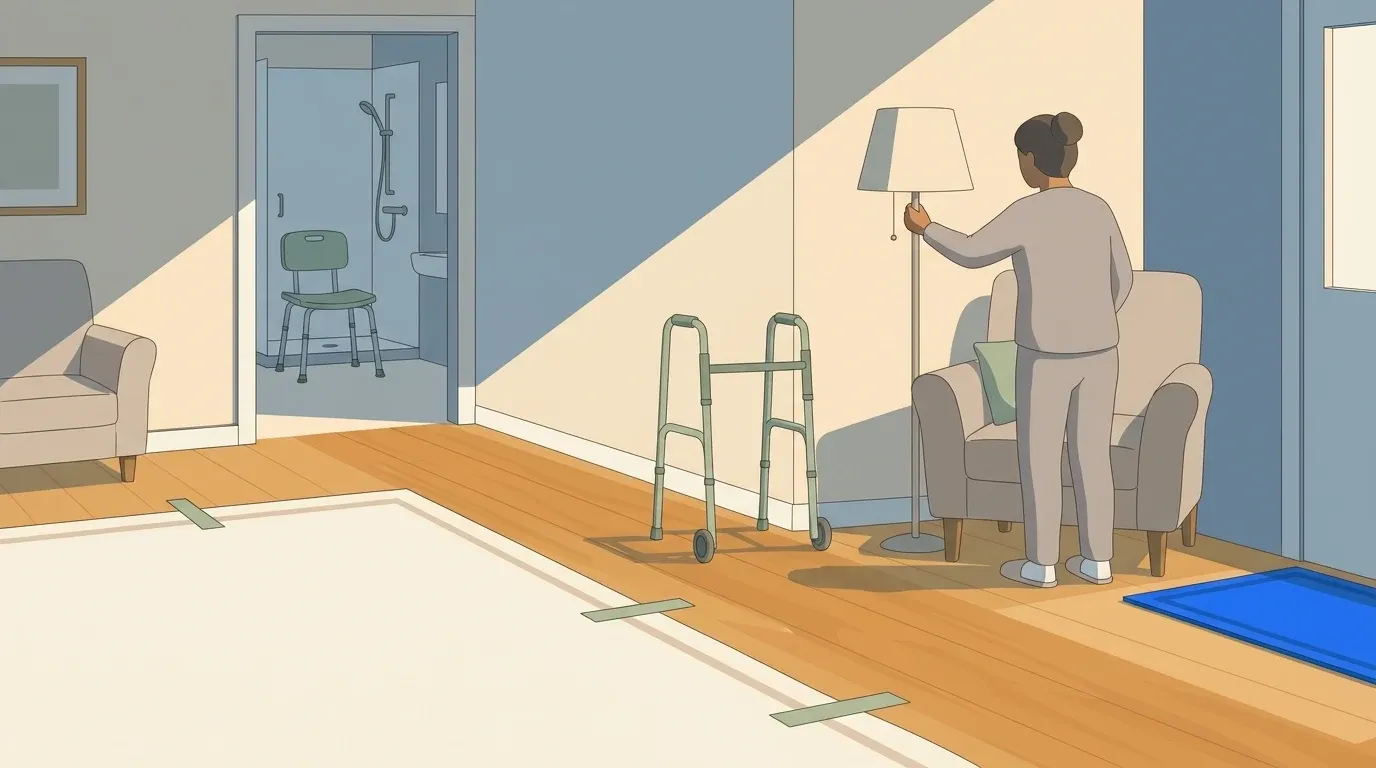
A practical checklist for adult children preparing for an elderly parent coming home from the hospital, from medications to warning signs.

Curious about paid family respite care? Here's how it actually works, what Medicare covers, and how to keep families informed once relief care begins.

When a parent refuses respite care, the real goal isn't winning the argument. Here's how to lower resistance and protect your own health.
Arranging relief care? Here are the questions to ask a respite care provider about cost, coverage, training, and what happens while you're away.

A first respite care visit can feel like a big step for a parent. Here's how to prepare them, and yourself, so it goes smoothly.

A clear guide to respite care for dementia: what it costs, who pays, how Medicare helps, and how to plan relief before burnout hits.

A practical guide to arranging emergency respite care before you need it, so a fall, illness, or burnout doesn't leave your family scrambling.

How long can respite care last depends on the setting, payer, and your family's needs. Here's how to plan it right, whatever the timeline.
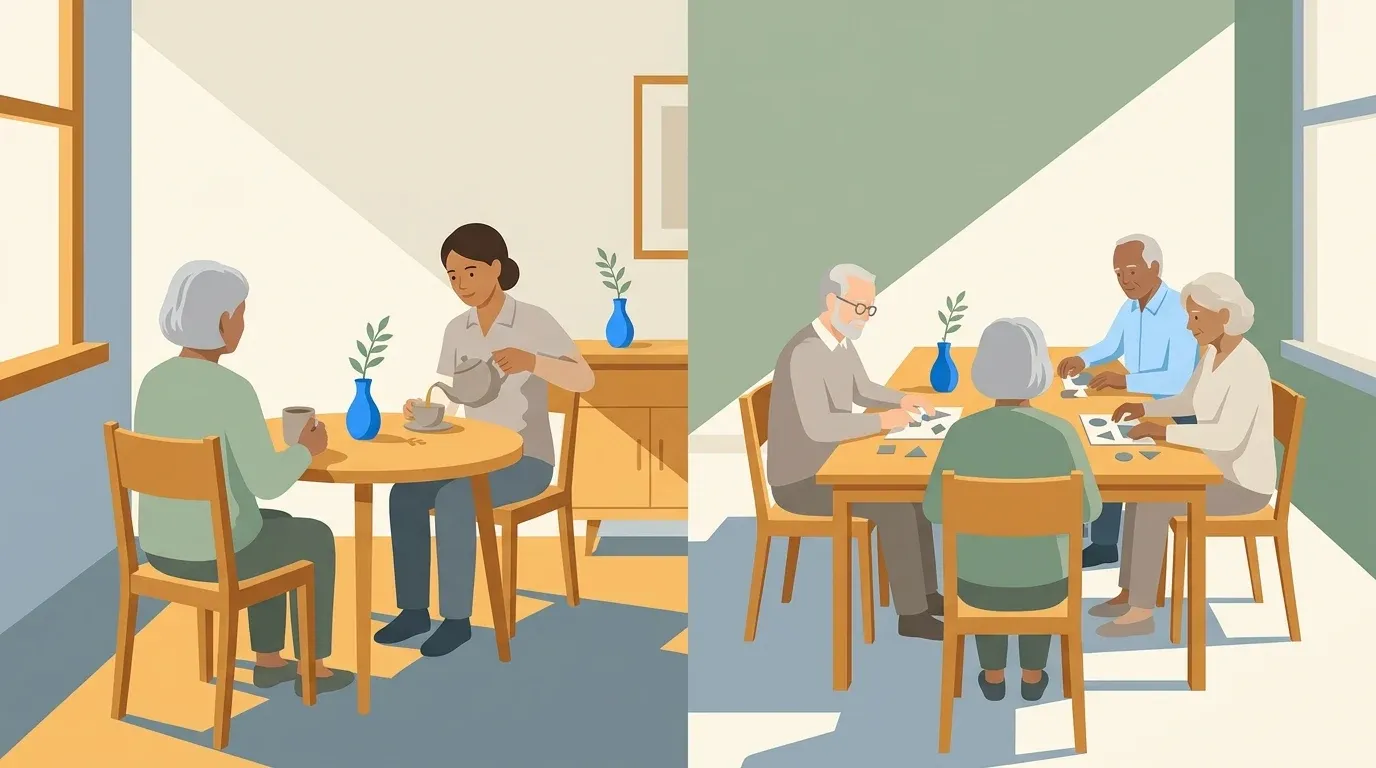
Comparing in home respite care vs adult day care for your family? Here's how to weigh cost, routine, and safety before you decide.

Wondering how to qualify for respite care? Here's what actually determines eligibility, what Medicare covers, and how to start the conversation.

Confused about who pays for respite care? Learn what Medicare covers, what falls to families, and how to plan before a crisis hits.
Respite care cost varies by setting and hours needed. Here's how families budget for relief care and what to check before booking.

Practical steps for finding respite care near you, from area agencies on aging to Medicare hospice benefits, plus what to check before you book.
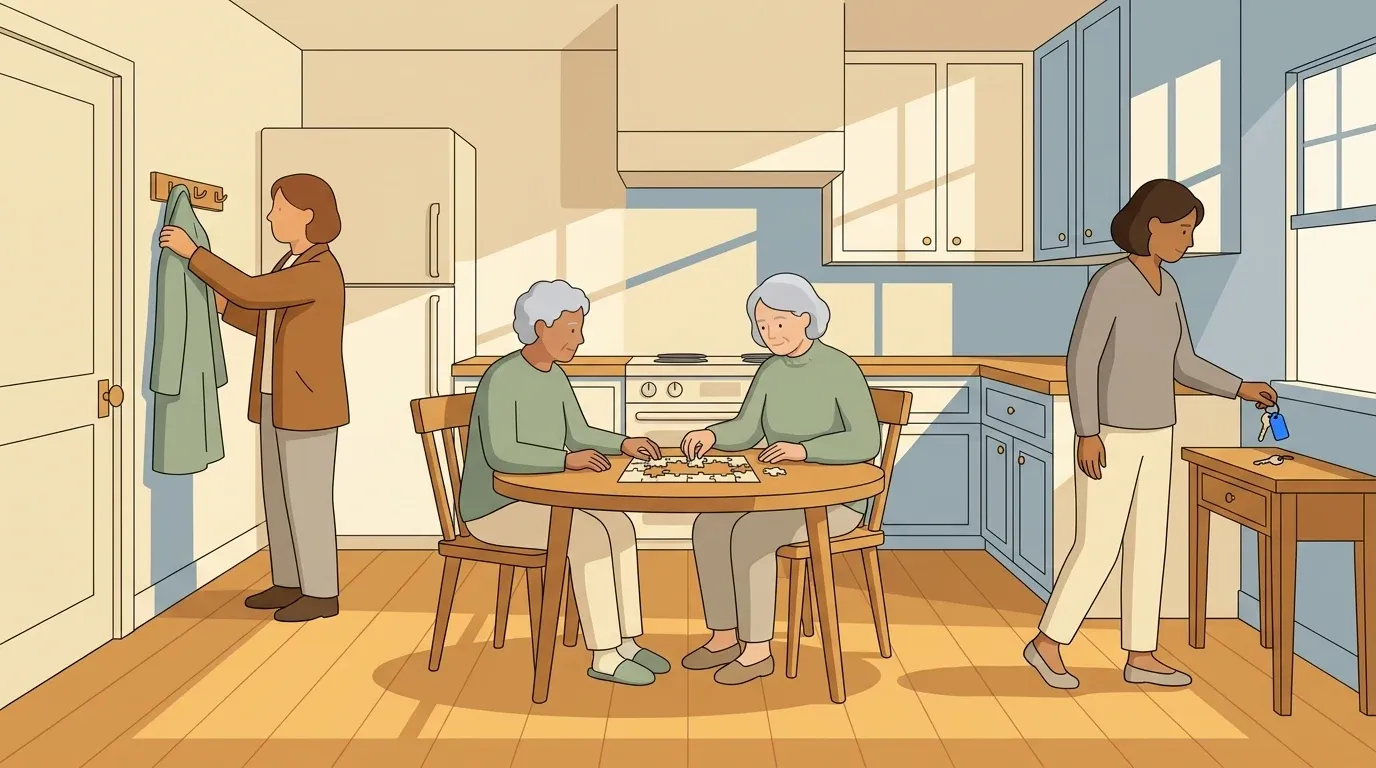
In home respite care brings short-term relief to your home. Here's what a visit looks like and how families stay informed between visits.
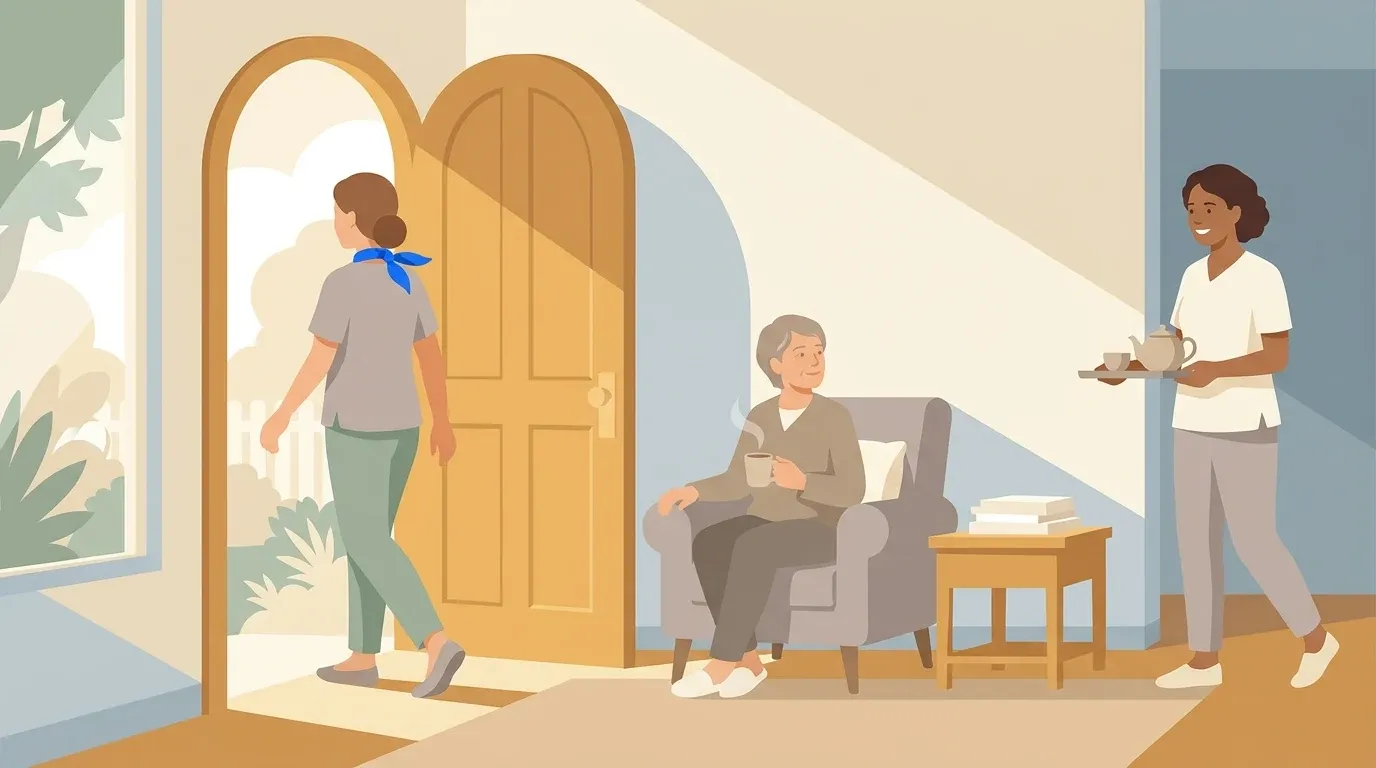
What is respite care and when do families need it? A clear guide to costs, Medicare rules, and how to plan short-term relief care.
The science linking daily social contact to longer life has direct implications for care teams designing check-in programs for older adults.

Family communication is a measurable business asset for home health agencies. Here is how consistent updates reduce risk, improve retention, and lower costs.

Families pick home health agencies that keep them informed between visits. Here is how consistent communication becomes your agency's competitive edge.
Build a care coordination system that reduces gaps, keeps families aligned, and gives care teams the daily context they need to act early.

A practical guide to the communication tools care teams and families need to reduce confusion, close update gaps, and coordinate aging-parent care.

One sibling ends up doing all the updates. Here's how to break that pattern and keep everyone informed without burning out.

A practical guide to AI-powered wellness calls for care teams, agencies, and operators deciding whether daily check-ins belong in their workflow.
A practical guide for care teams and agencies on building daily check-in systems that deliver real signal, reduce caregiver burden, and keep families informed.

Weekly family calls feel productive but leave gaps. Here's why daily check-in insights give siblings a clearer picture of an aging parent's wellbeing.
When you live closest to a parent, the caregiving weight quietly shifts onto your shoulders. Here's how to name it, share it, and survive it.
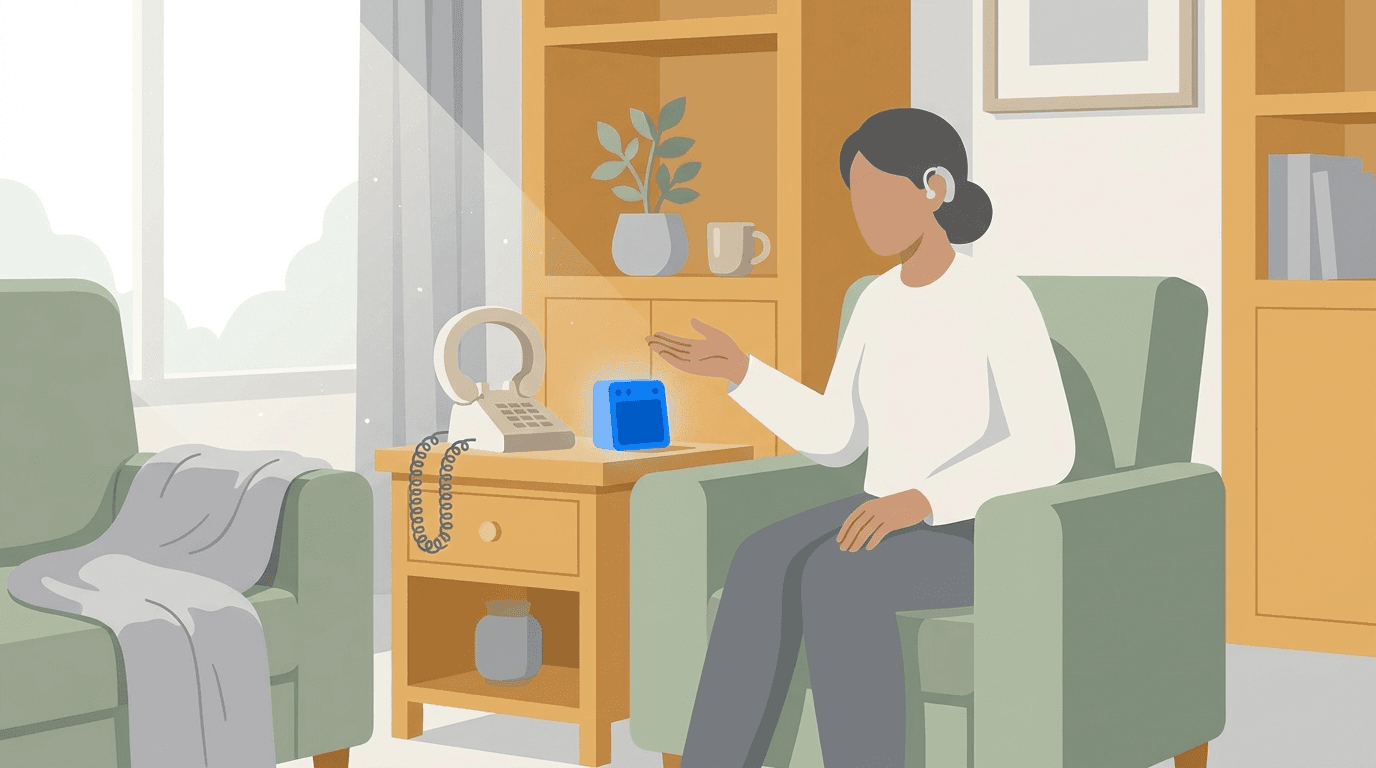
Staying connected with an aging parent who has hearing loss takes more than speaking louder. Here are practical tips that actually work.

Depression in aging parents is common but often missed. Learn how consistent daily contact can help you spot warning signs and offer real support.

Chronic pain changes daily life for aging parents. Learn how consistent daily check-ins help families stay connected and catch problems early.

Stroke recovery reshapes family life fast. Here's what caregivers actually need to know to support a parent and protect their own wellbeing.
COPD is demanding for the whole family. Here's how to manage symptoms, track changes, and stay connected without burning out.
Parkinson's disease changes daily life fast. Here's how consistent phone check-ins help families stay connected and catch problems early.

Learn practical, respectful ways to monitor a diabetic parent from a distance without making them feel watched or diminished.

Heart disease changes everything for aging parents and their families. Learn why daily check-ins are one of the most important things you can do.

A single visit gives you a snapshot. Sixty days of daily check-ins give you the full picture — and that difference matters deeply for cognitive health.
When your parent starts missing social cues and unspoken routines, it may signal early cognitive decline. Here's what to watch for.

Consistent AI phone check-ins can help seniors with memory challenges stay oriented, recognized, and connected to the people they love.

For people with dementia, a predictable daily routine isn't just helpful — it's one of the most powerful tools for safety and calm.

Practical ways to keep someone with mild cognitive impairment mentally active, socially connected, and emotionally supported every day.
Learn which subtle shifts in your parent's phone conversations can be early warning signs of cognitive change worth paying attention to.
Dementia changes how a parent communicates, but it rarely silences them. Here's what to listen for and how to truly hear them.

Learn how consistent daily check-ins help families spot early signs of cognitive decline before small changes become serious concerns.

Hospitals discharge seniors faster than families expect. Here's what the care team won't walk you through — and how to actually fill the gap.
Most hospital readmissions happen in the first two weeks after discharge. Here's what goes wrong when no one is watching closely enough.

Setting up a reliable post-hospital check-in system for an elderly loved one doesn't have to be complicated. Here's what actually works.

Hospital readmissions in older adults are more preventable than most families realize. Here is what goes wrong and what you can do about it.

The month after a senior leaves the hospital is the riskiest stretch of recovery. Here's what families need to watch for and do.
The hospital stay ends, but the danger doesn't. Here's what families need to know about the weeks after a senior comes home.
Daily check-ins with a distant parent do more than confirm safety. They build a living picture of wellbeing, mood, and connection over time.
Your parent says they're fine, but something feels off. Learn why those short reassuring calls often hide real struggles and what to do about it.

Learn what a weekly insights report actually tells long-distance families and why it changes how they stay connected with aging loved ones.

Living far from aging parents doesn't mean you can't stay close. Here's how to build a real care coordination system that actually works.

Hard-won lessons from long-distance caregivers: what they'd do differently, what actually helps, and how to stop running on guilt alone.
There's a quiet gap between thinking your parent is fine and actually knowing it. Here's why that gap matters more than you might expect.

Long-distance caregiver guilt is exhausting and isolating. Here's why you feel it so deeply and what actually makes a difference.

When life gets packed and calling Mom slips through the cracks, AI wellness calls may fill the gap. Here's when they help and when they don't.

When siblings don't see what you do, resentment builds fast. Here's how to document your caregiving and why it protects everyone.
If a sibling has ever questioned how much you really do for your aging parent, you know the sting. Here's how to handle it without losing your mind.

Living hours away from an aging parent is hard. Here's how to stay genuinely connected and catch problems early, without constant worry.

Women have always known that small, consistent contact keeps relationships alive. Here's what that means for how you care for your mom from a distance.

A small group of women created a daily check-in circle that kept everyone grounded. Here's what made it work — and what it can teach caregivers.

Two friends. One simple promise to call every day. Here's what that ritual actually does for people who are aging, lonely, or far from family.

Your mom may be lonelier than she lets on. Here's how daily check-ins are helping aging women build real friendships and why it matters to you.

Some women call each other every single day. Here's what they actually talk about — and what that ritual quietly does for both of them.

Your mom may be more isolated than she lets on. Here's how daily check-ins are helping women over 60 build real, consistent community.

Learn what a daily wellness check for seniors actually involves and how it differs from an emergency welfare check — before you need the latter.

Use the 40/70 rule to build a daily check-in rhythm for aging parents, with practical questions, warning signs, and family follow-up steps.

You love your parent deeply, but you can't be there every day. Here's what caring for aging parents at home actually looks like from a distance.

Most aging in place checklists focus on grab bars. This one focuses on the thing that actually keeps your parent safe: connection.

Your parent says they're fine. You know they're not. Here's how to get through when every offer of help lands like an insult.

Noticing small changes in your aging parent? Here are the signs that it may be time to have the conversation about living alone — and how to start it.
Older women are finding real community through daily phone check-ins — rebuilding social bonds, fighting isolation, and staying connected on their own terms.

A care circle is more than goodwill — it's a system. Learn how small communities build daily check-in habits that actually stick.

Discover how neighbors can organize daily check-ins for elderly and vulnerable residents, reducing isolation and preventing crises before they start.

The four basic emotional needs of elderly: dignity, autonomy, connection, security. Learn what they are, why they matter, and how to actually meet them.

Warning signs an elderly person is giving up on life: loss of purpose, social withdrawal, self-neglect. Learn to spot them early and what to do.

What are the signs an elderly person should not live alone? Learn the safety red flags, when intervention is critical, and how daily check-ins reveal risk.

What to do when your parent is lonely? Learn the hidden signs of elderly loneliness and how daily wellness calls reveal what parents won't admit.

How can you tell when an elderly person is declining? Learn the signs you can see, the patterns you're missing, and how daily check-ins reveal the truth.

Parents often hide health concerns from their adult children. Daily AI wellness calls reveal what they won't tell you - because they're not talking to their worried kid.