
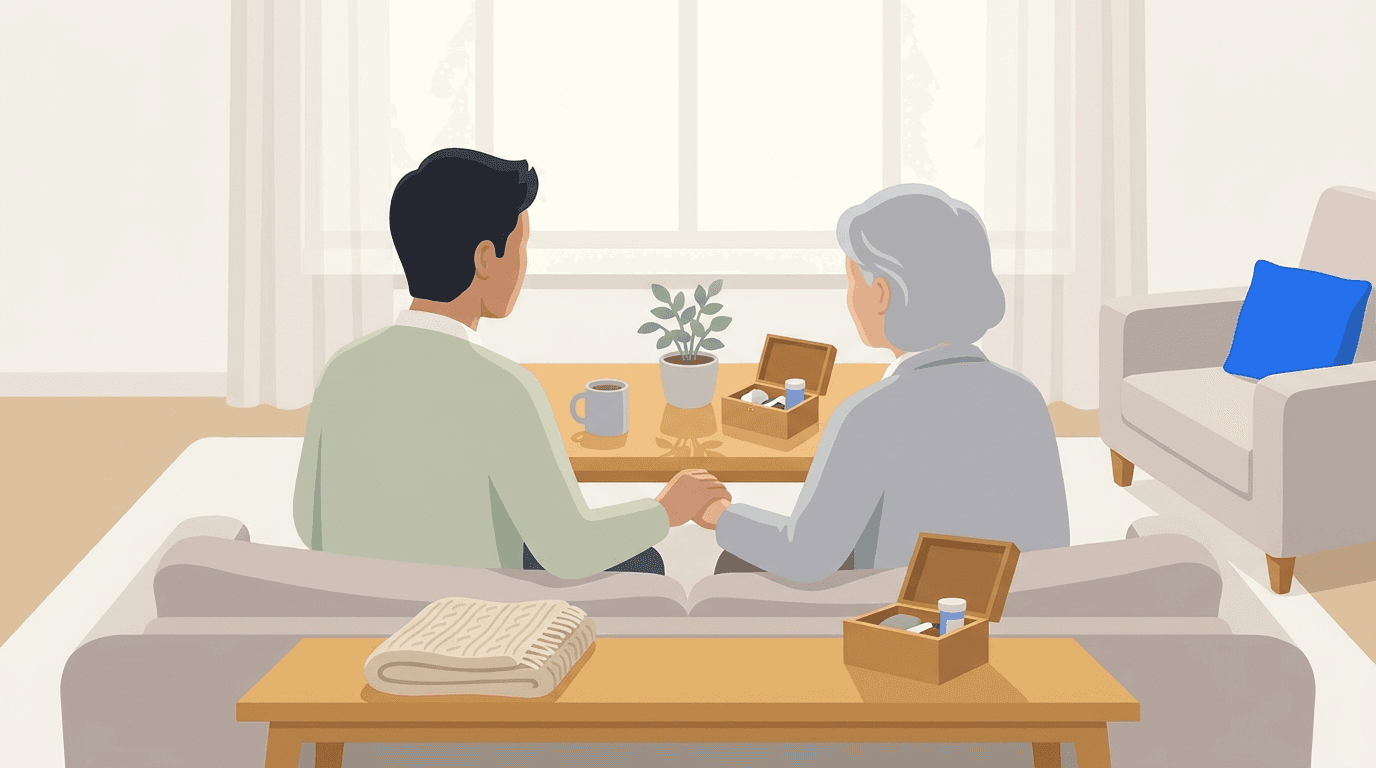
The moment a senior gets discharged from the hospital, the clock starts. Roughly one in five Medicare patients ends up back in the hospital within 30 days of leaving, and a large share of those returns were preventable. Understanding why readmissions happen is the first step families can take toward stopping one before it starts.
The Transition Home Is Where Things Break Down
Hospitals focus on stabilizing patients. What they cannot fully control is what happens the moment your parent or grandparent walks through the front door at home. The discharge process often moves fast. Instructions get handed over on a few sheets of paper, prescriptions get called in, and then the patient is on their own.
For older adults, that gap between hospital-level care and home life is where problems grow. They may not fully understand a new medication. They may not have someone to drive them to a follow-up appointment. They may feel unwell but hesitate to call anyone because they do not want to be a burden. Each one of these things, left unaddressed, raises the odds of a return trip to the emergency room.
The Four Most Common Causes of Readmission
Most readmissions trace back to a handful of predictable problems.
Medication errors. Older adults often leave the hospital with new prescriptions added to existing ones. Dosing mistakes, missed doses, and dangerous interactions with other medications are common when no one is helping to manage the transition.
Missed follow-up care. Cardiologists, primary care doctors, and specialists all need to see post-discharge patients within days to weeks. When transportation is hard or the appointment feels optional, it gets skipped.
Poor nutrition and dehydration. Cooking feels hard when you are recovering. Seniors who live alone often eat and drink too little during recovery, which slows healing and can tip fragile systems back toward crisis.
Social isolation and delayed symptom reporting. When someone lives alone and has limited contact with family, a developing problem can go unnoticed for days. By the time they call for help, what started as a manageable symptom has become an emergency.
What Families Can Actually Do
The good news is that family involvement has a measurable impact. You do not need to be a medical professional to reduce readmission risk. You need to be present.
Start with the discharge conversation at the hospital. Ask what medications changed, what symptoms should trigger a call to the doctor, when follow-up appointments are scheduled, and what activities are restricted. Do not leave until those answers are clear and written down.
In the first two weeks at home, check in daily. A short daily conversation does several things at once: it gives your loved one a chance to report how they are feeling, it reinforces medication routines, and it signals to them that someone is paying attention. People who know they will be asked about their symptoms each day are more likely to notice and report changes.
Coordinate across family members so that no single person carries the full weight of monitoring. A shared system where one person handles medication reminders, another handles transportation, and another handles daily emotional check-ins is far more sustainable than one exhausted family caregiver trying to do everything.
When You Cannot Be There in Person
Many families are managing this from a distance. A sibling lives three states away. Adult children have jobs and children of their own. The geographic and logistical reality of caregiving in this phase of life means daily in-person visits are often impossible.
This is where consistent, reliable communication tools matter. A daily phone check-in, whether it comes from a family member or an AI-powered service, creates a steady rhythm of contact. It catches the quiet warning signs that a weekly call might miss: the slight shortness of breath, the appetite that has been off for three days, the mention that the new pill makes them feel dizzy. These are the signals that, when caught early, give families and care teams time to respond before the situation becomes an emergency.
The 30-Day Window Matters Most
Once a senior clears the first 30 days after discharge, the risk of readmission drops significantly. That month is not forever. But it requires more attention than most families plan for, especially when everything seems fine in the first few days.
Building in daily check-ins during that window, staying in close contact with their primary care provider, confirming every follow-up appointment, and making sure they are eating and taking their medications correctly can make the difference between a smooth recovery and another hospital stay.
If you are looking for a way to stay reliably connected to an aging parent or grandparent through this transition and beyond, VIPCall.ai makes it simple to keep that daily thread of contact in place, even when life gets in the way. See how VIPCall works for the people who matter most.