
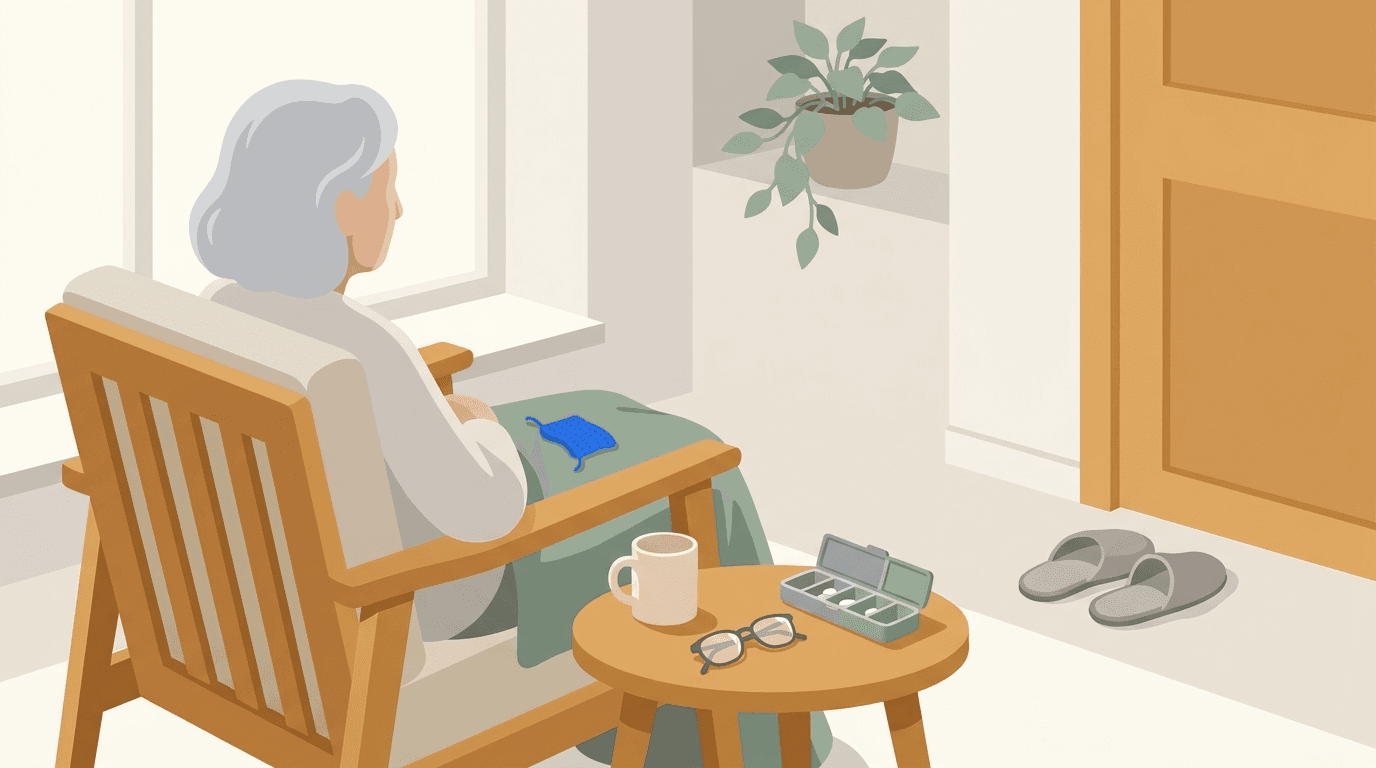
Your mother just came home from a five-day hospital stay. The discharge nurse handed over a folder of instructions, reminded her to schedule a follow-up, and sent her out the door. You live two hours away. Your brother is closer but works long days. And your mom, bless her, keeps saying she's fine. This is the moment that worries every care-aware family member, because it's exactly the moment when things go quietly, invisibly wrong.
The Gap No One Talks About
Hospitals do a good job of stabilizing people. What they don't do well is bridge the space between discharge and recovery. Most discharge plans include a list of medications, a follow-up appointment in 7 to 14 days, and instructions written at a reading level that assumes the patient is calm, well-rested, and not managing post-anesthesia fog.
The result is a serious gap. The senior gets home, probably exhausted and in some pain, and faces a stack of paperwork, a newly adjusted medication routine, and a house that suddenly feels harder to navigate. If nobody is checking in consistently, small problems compound fast. A missed dose turns into a symptom flare. A symptom flare turns into confusion. Confusion turns into a fall. And the fall turns into a second hospitalization.
This pattern is so common there's a medical term for it: the post-discharge vulnerability window. Most readmissions happen within 30 days of discharge, and a disproportionate share happen in the first 14.
What Actually Goes Wrong
When there's no regular monitoring after hospital discharge, four specific failures tend to show up most often.
Medication errors. Post-discharge medication routines are often more complex than anything the senior managed before. New drugs, adjusted doses, and timing instructions are easy to get confused, especially for someone who is tired and recovering. Without someone checking in, errors often go unnoticed until they cause a real problem.
Missed warning signs. Seniors frequently downplay their symptoms. They don't want to be a burden. They assume what they're feeling is normal. A daily check-in from someone they trust creates a regular opportunity to surface what they'd otherwise stay quiet about.
Dehydration and poor nutrition. Cooking feels hard when you're recovering. Appetite drops. Fatigue wins. Without someone asking about meals and fluid intake, seniors can slide into dehydration surprisingly fast, which affects cognition, medication efficacy, and fall risk all at once.
Social withdrawal. Isolation after a hospital stay is real and it accelerates physical decline. When seniors have no meaningful daily contact, their mood drops, their motivation drops, and their willingness to follow through on recovery activities drops with it.
Why Family Check-Ins Fall Short on Their Own
Most families intend to stay on top of post-discharge follow-up. The first few days usually go well. Then a work deadline hits. A child gets sick. The senior keeps saying everything is fine, and the calls get spaced out.
This isn't neglect. It's the reality of life. But good intentions and inconsistent follow-through don't protect someone during the highest-risk weeks of their recovery. What works is structure: a reliable, daily touchpoint that happens regardless of how busy everyone is.
What Consistent Daily Contact Actually Catches
Families who maintain genuine daily contact after discharge report catching things that would have otherwise escalated: a senior who hadn't taken their blood thinner for three days, one who had been sleeping most of the day and couldn't explain why, one who mentioned almost in passing that her ankle had been swelling since she got home.
None of these were emergencies yet. All of them could have become emergencies without timely attention.
The value of a daily check-in isn't dramatic. It's cumulative. It's the difference between knowing your person is actually okay and hoping they are.
Building a Real Safety Net
A strong post-discharge safety net has a few key components. First, someone needs to be in contact with the senior every single day during the first two weeks, and regularly beyond that. Second, that contact should include specific questions, not just a quick "how are you?" Third, there should be a clear person responsible for following up if something concerning comes up.
For families stretched thin by distance, work, and their own caregiving demands, AI-powered daily phone check-ins can fill this gap reliably. VIPCall makes daily calls to the people who matter most, asks the right questions, and flags anything that warrants attention. It's not a replacement for family connection. It's what keeps connection consistent when life gets in the way.
If you have a parent or loved one coming home from the hospital and you're worried about the weeks ahead, take a look at how VIPCall works for the people who matter most. The discharge paperwork has an expiration date. The risk doesn't.