
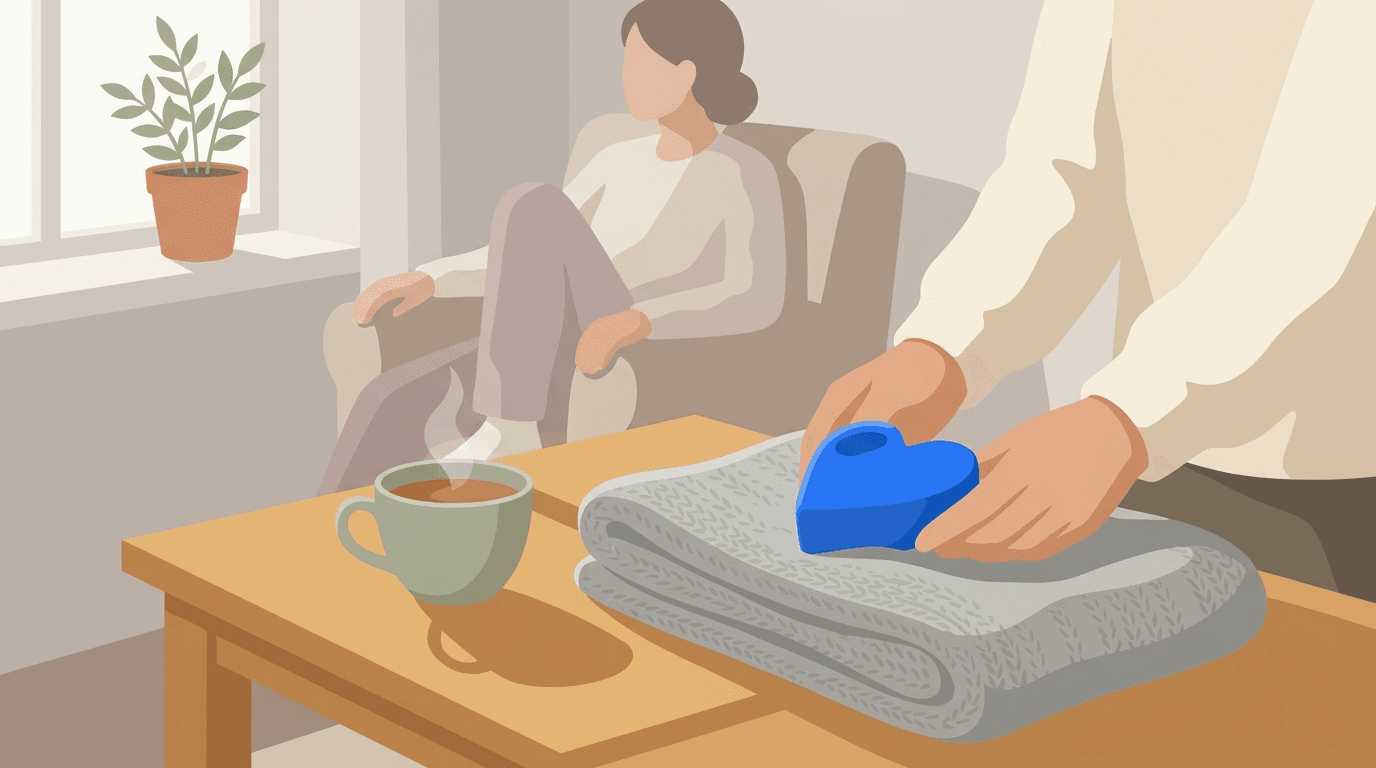
The hospital stay ends, the paperwork gets signed, and your parent or loved one is home. Relief washes over you — and then the real work begins. Most discharge processes hand families a stapled packet of instructions and assume the rest will fall into place. It rarely does. The transition from hospital to home is one of the most medically and emotionally complex periods in a senior's life, and families are often left to navigate it without a clear map.
Why the First 30 Days Are Critical
Research consistently shows that the 30 days following hospital discharge carry the highest risk of readmission for older adults. The body is still recovering. New medications need time to stabilize. Conditions that were managed in a controlled clinical environment now depend on routine, memory, and outside support.
This window is when small problems become big ones. A skipped dose can cascade into a medical crisis. A fall that happens because no one was there to notice the senior was unsteady can send them right back through the emergency room doors. Families who understand this are far better positioned to prevent it.
What the Discharge Packet Won't Explain
Hospitals do their best, but discharge instructions are written for ideal conditions. They assume the senior will read and follow instructions accurately, remember to take medications at the right times, recognize symptoms that require urgent attention, and show up to follow-up appointments on their own.
For many seniors, none of these assumptions hold. Cognitive fatigue after hospitalization is common even without a dementia diagnosis. The stress of illness, disrupted sleep, and medication side effects can cloud judgment significantly.
Before your loved one leaves the hospital, ask directly for a written medication list with clear dosing instructions, a list of symptoms that should prompt an immediate call or visit to the doctor, confirmation of scheduled follow-up appointments, and a name and number for after-hours questions. If you get vague answers, push back. You are the safety net.
Medication Management Is a Family Job Now
Polypharmacy, meaning the use of multiple medications simultaneously, affects a significant portion of older adults. After hospitalization, the medication list often grows. New prescriptions get added. Some older ones may be discontinued. The instructions can be genuinely confusing even for attentive adults.
Families can help by organizing medications into a weekly pill sorter, setting phone alarms for dose times, creating a simple chart on the refrigerator, and calling the pharmacy or prescribing physician when something is unclear. Do not wait and hope for the best. Medication errors are preventable, and catching them early matters.
Watching for the Warning Signs
Beyond medication, families need to know what to watch for. The specific symptoms depend on why the senior was hospitalized, but some warning signs apply broadly. Sudden confusion or unusual behavior, new or worsening shortness of breath, swelling in the legs or ankles, significant changes in appetite or fluid intake, and increased unsteadiness or new falls all warrant prompt attention.
The challenge is that many seniors minimize or fail to report these symptoms. They do not want to worry family. They assume it will pass. This is why consistent, daily contact matters more than an occasional check-in. When you talk to someone every day, you develop a baseline. You notice when something is off before it becomes a crisis.
The Emotional Side Nobody Talks About
Physical recovery gets most of the attention, but emotional recovery after hospitalization is just as real. Many seniors experience anxiety, mild depression, and a loss of confidence in their own bodies after a hospital stay. The disruption of routine, the reminder of mortality, and the dependence on others can shake a person's sense of self.
Regular contact from family members provides more than a safety check. It signals to the senior that they are not alone, that people are paying attention, and that life still holds connection and meaning. This is not a soft benefit. Social connection has measurable effects on recovery outcomes and long-term health.
Bridging the Distance When You Cannot Be There
Not every family lives nearby. Adult children often live in different cities or states. Coordinating care from a distance is genuinely hard, and guilt about that distance is common. The goal is not to be physically present every day but to ensure that consistent, meaningful contact happens every day.
AI-assisted daily check-in services can help families maintain that contact at scale, flagging changes in mood or routine and giving both the senior and the family a regular touchpoint. VIPCall offers exactly this kind of consistent support for the people who matter most to you.
You Are Part of the Care Team
Doctors, nurses, and therapists all play a role in post-hospital recovery. So do you. The family's role in post-hospital senior care is not optional or secondary. It is central. When families are informed, organized, and in regular contact, readmission rates drop, recoveries go smoother, and seniors feel less afraid.
You do not need to be a medical professional to make a real difference. You need to show up consistently, ask good questions, and keep the lines of communication open. See how VIPCall works for the people who matter most at https://vipcall.ai/.