
Oct 15, 20267 min read
What to Do When a Parent Misses a Check-In Call
A parent misses a check-in call and you're not sure what it means. Here's a calm, practical plan for what to do next and when.
VIPCall TeamRead →

83 posts in this category
A parent misses a check-in call and you're not sure what it means. Here's a calm, practical plan for what to do next and when.

Learn how to tell elderly parent depression vs loneliness apart, spot warning signs early, and decide what kind of daily support actually helps.
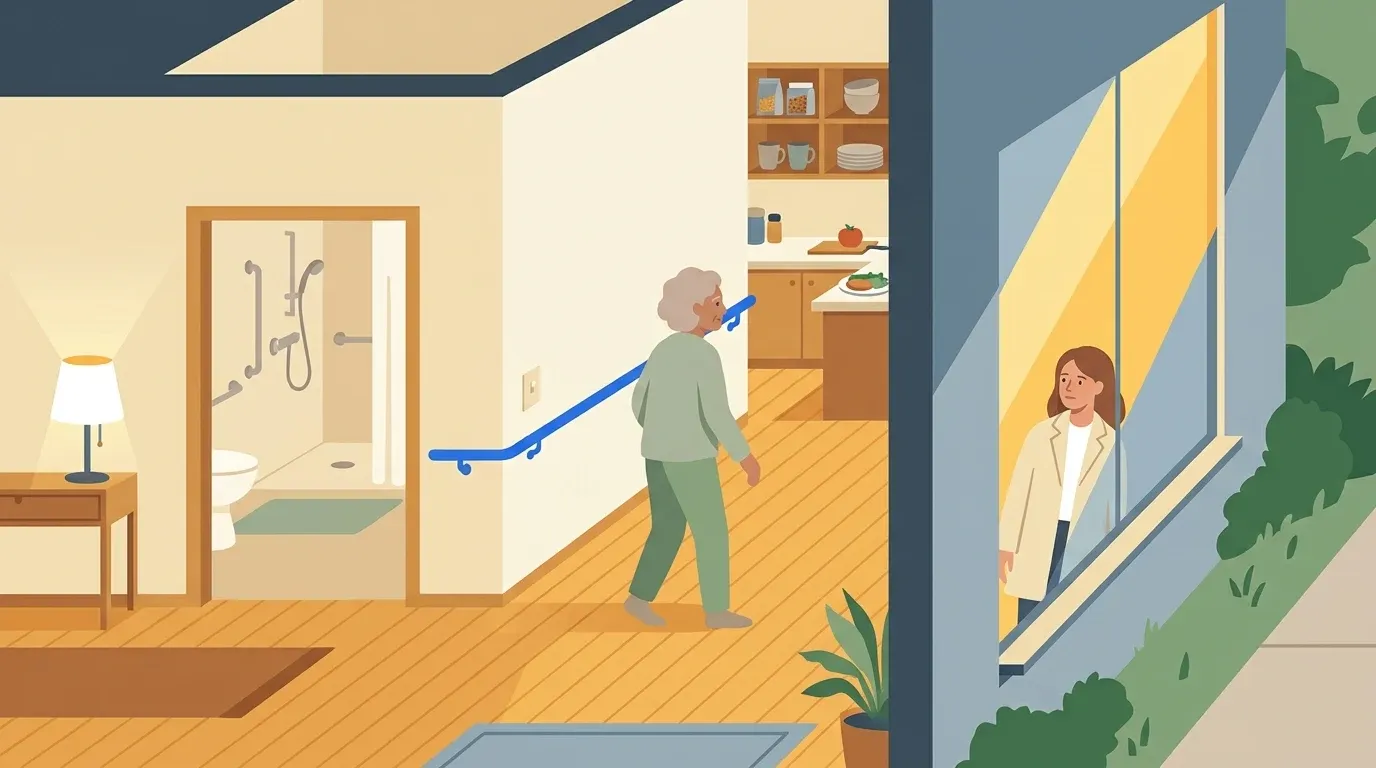
Is it safe for a 70 year old to live alone? Here's how families can honestly assess risk, spot warning signs, and build a support plan that actually holds.

Practical, evidence-informed loneliness interventions for older adults living alone, plus how families can build a dependable daily check-in routine.

Practical steps for adult children when an older adult feels alone, including warning signs, daily check-in options, and when to call a professional.
A working adult children caregiving plan that fits real schedules: shared updates, clear roles, and daily check-ins that don't require taking time off.

Learn how to plan respite care for caregiver stress before burnout forces a crisis decision, plus how daily check-ins support the plan.
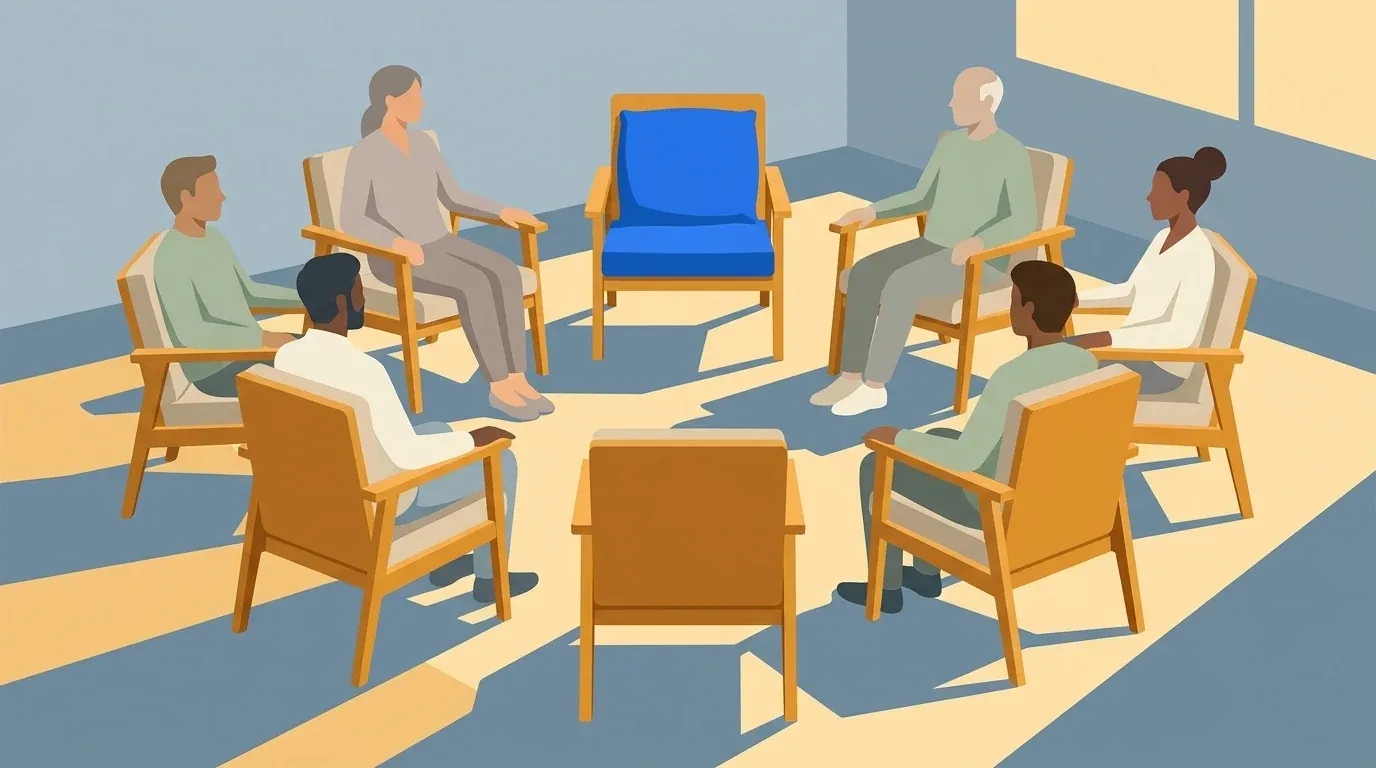
A caregiver support group can ease the isolation of family caregiving. Here's what actually happens in one, and how to know if it's enough.
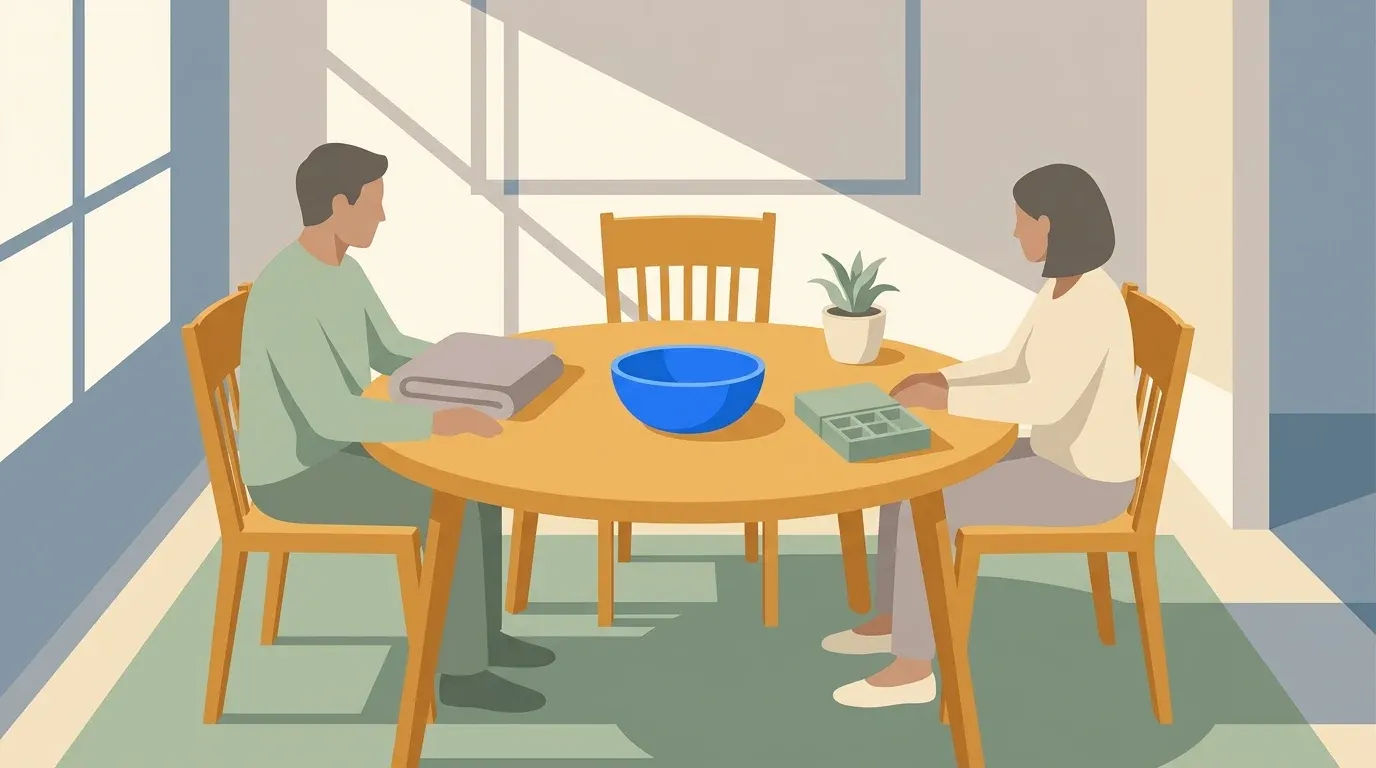
A practical guide to running a family meeting about an aging parent's care, from setting the agenda to keeping siblings aligned afterward.
Learn how to set caregiver boundaries with an aging parent without guilt, plus warning signs of burnout and what to do when limits keep breaking down.

A practical guide to help family caregivers recover from caregiver burnout, spot warning signs early, and rebuild sustainable routines.

A practical guide for family caregivers on planning time off, spotting burnout signs, and coordinating coverage with siblings.

A practical script and plan for how to ask siblings for caregiving help, split tasks fairly, and stop carrying aging-parent care alone.

Working caregivers and sibling teams need concrete support, not vague advice. Here is what actually helps and where daily check-ins fit in.

Learn the signs of caregiver stress that working families and sibling care teams often miss, and what to do before burnout takes hold.

How often should you check on an elderly parent living alone? A practical framework for daily, weekly, and emergency check-ins as needs change.

A practical guide to building a daily check in for aging parent routines that catches problems early without turning care into surveillance.

When an elderly parent refuses help, the goal isn't to win an argument. It's a step-by-step plan for safety, dignity, and next moves.

Learn the concrete signs aging parent needs help, what they mean, and how to decide whether staying at home is still safe.
A practical guide for adult children on how siblings share post hospital care by splitting roles, using daily updates, and avoiding burnout.
A clear, practical system for family updates after surgery so siblings stay informed, aligned, and less anxious during recovery at home.

Home health vs home care after discharge, explained simply: what each covers, what Medicare pays for, and how to choose in the first 48 hours home.

The right questions before hospital discharge protect an elderly parent from readmission, falls, and medication mistakes at home.

Learn the warning signs that a senior's recovery is off track after hospital discharge, and what adult children should do next.

Curious about paid family respite care? Here's how it actually works, what Medicare covers, and how to keep families informed once relief care begins.

When a parent refuses respite care, the real goal isn't winning the argument. Here's how to lower resistance and protect your own health.
Arranging relief care? Here are the questions to ask a respite care provider about cost, coverage, training, and what happens while you're away.

A first respite care visit can feel like a big step for a parent. Here's how to prepare them, and yourself, so it goes smoothly.

A clear guide to respite care for dementia: what it costs, who pays, how Medicare helps, and how to plan relief before burnout hits.

A practical guide to arranging emergency respite care before you need it, so a fall, illness, or burnout doesn't leave your family scrambling.

How long can respite care last depends on the setting, payer, and your family's needs. Here's how to plan it right, whatever the timeline.
Comparing in home respite care vs adult day care for your family? Here's how to weigh cost, routine, and safety before you decide.

Wondering how to qualify for respite care? Here's what actually determines eligibility, what Medicare covers, and how to start the conversation.

Confused about who pays for respite care? Learn what Medicare covers, what falls to families, and how to plan before a crisis hits.
Respite care cost varies by setting and hours needed. Here's how families budget for relief care and what to check before booking.

Practical steps for finding respite care near you, from area agencies on aging to Medicare hospice benefits, plus what to check before you book.
In home respite care brings short-term relief to your home. Here's what a visit looks like and how families stay informed between visits.
What is respite care and when do families need it? A clear guide to costs, Medicare rules, and how to plan short-term relief care.
Senior living communities can deliver consistent daily family updates without hiring more staff. Here is how AI-powered check-ins make it possible.

Family communication is a measurable business asset for home health agencies. Here is how consistent updates reduce risk, improve retention, and lower costs.
Build a care coordination system that reduces gaps, keeps families aligned, and gives care teams the daily context they need to act early.

One sibling ends up doing all the updates. Here's how to break that pattern and keep everyone informed without burning out.

A practical guide to AI-powered wellness calls for care teams, agencies, and operators deciding whether daily check-ins belong in their workflow.
A practical guide for care teams and agencies on building daily check-in systems that deliver real signal, reduce caregiver burden, and keep families informed.

Weekly family calls feel productive but leave gaps. Here's why daily check-in insights give siblings a clearer picture of an aging parent's wellbeing.
When you live closest to a parent, the caregiving weight quietly shifts onto your shoulders. Here's how to name it, share it, and survive it.

For people with dementia, a predictable daily routine isn't just helpful — it's one of the most powerful tools for safety and calm.

Hospitals discharge seniors faster than families expect. Here's what the care team won't walk you through — and how to actually fill the gap.

Setting up a reliable post-hospital check-in system for an elderly loved one doesn't have to be complicated. Here's what actually works.

The hardest role reversal nobody prepares you for is the day you start parenting your own parent. Senior placement advisor Rachel Kemiji on choosing assisted living, avoiding caregiver burnout, and why the right community is a new chapter — not the end.
Daily check-ins with a distant parent do more than confirm safety. They build a living picture of wellbeing, mood, and connection over time.

Your parent says they're fine, but something feels off. Learn why those short reassuring calls often hide real struggles and what to do about it.

Learn what a weekly insights report actually tells long-distance families and why it changes how they stay connected with aging loved ones.
Living far from aging parents doesn't mean you can't stay close. Here's how to build a real care coordination system that actually works.

Hard-won lessons from long-distance caregivers: what they'd do differently, what actually helps, and how to stop running on guilt alone.
There's a quiet gap between thinking your parent is fine and actually knowing it. Here's why that gap matters more than you might expect.

Long-distance caregiver guilt is exhausting and isolating. Here's why you feel it so deeply and what actually makes a difference.

When life gets packed and calling Mom slips through the cracks, AI wellness calls may fill the gap. Here's when they help and when they don't.

You told her you'd call. You didn't. Now the guilt is eating you alive. Here's why it happens and what you can do about it.

When siblings don't see what you do, resentment builds fast. Here's how to document your caregiving and why it protects everyone.
If a sibling has ever questioned how much you really do for your aging parent, you know the sting. Here's how to handle it without losing your mind.

Living hours away from an aging parent is hard. Here's how to stay genuinely connected and catch problems early, without constant worry.

Women have always known that small, consistent contact keeps relationships alive. Here's what that means for how you care for your mom from a distance.

A small group of women created a daily check-in circle that kept everyone grounded. Here's what made it work — and what it can teach caregivers.

When you're stretched thin between kids, work, and an aging parent, your own friendships quietly slip. Here's how a daily check-in changes that.

Your mom may be lonelier than she lets on. Here's how daily check-ins are helping aging women build real friendships and why it matters to you.

Some women call each other every single day. Here's what they actually talk about — and what that ritual quietly does for both of them.

Your mom may be more isolated than she lets on. Here's how daily check-ins are helping women over 60 build real, consistent community.

Learn what a daily wellness check for seniors actually involves and how it differs from an emergency welfare check — before you need the latter.

Use the 40/70 rule to build a daily check-in rhythm for aging parents, with practical questions, warning signs, and family follow-up steps.

You love your parent deeply, but you can't be there every day. Here's what caring for aging parents at home actually looks like from a distance.

Most aging in place checklists focus on grab bars. This one focuses on the thing that actually keeps your parent safe: connection.

Your parent says they're fine. You know they're not. Here's how to get through when every offer of help lands like an insult.

Noticing small changes in your aging parent? Here are the signs that it may be time to have the conversation about living alone — and how to start it.
Freelancers lose focus when no one's watching. A daily check-in habit builds the accountability structure that solo work rarely provides.
A daily self check-in routine sounds simple, but the effects run deeper than you might expect. Here's what really changes when you make it a habit.

The people you want to stay close to do not live in your house. Building a daily connection ritual is how you maintain real closeness across distance and busy lives.

How are you is a greeting, not a question. Knowing how someone is actually doing requires something different—a structure that gets to what is real.

You follow your sister. You follow your best friend. But are you staying in touch with them or just watching their broadcast? The distinction matters more than it seems.

Billions of followers, likes, and connections yet more people feel lonelier than ever. Here is the specific mechanism that explains why social media leaves the connection need unmet.

The emotional toll of caring for aging parents: guilt, anxiety, resentment, grief. What nobody tells you about caregiver burden and what actually helps.

How families coordinate care for aging parents without chaos: the trusted contacts model, why group texts fail, and what actually works for real coordination.

Feeling guilty about not calling your aging parents every day? You're not a bad child - you're busy. Here's how daily wellness calls help families stay connected.