
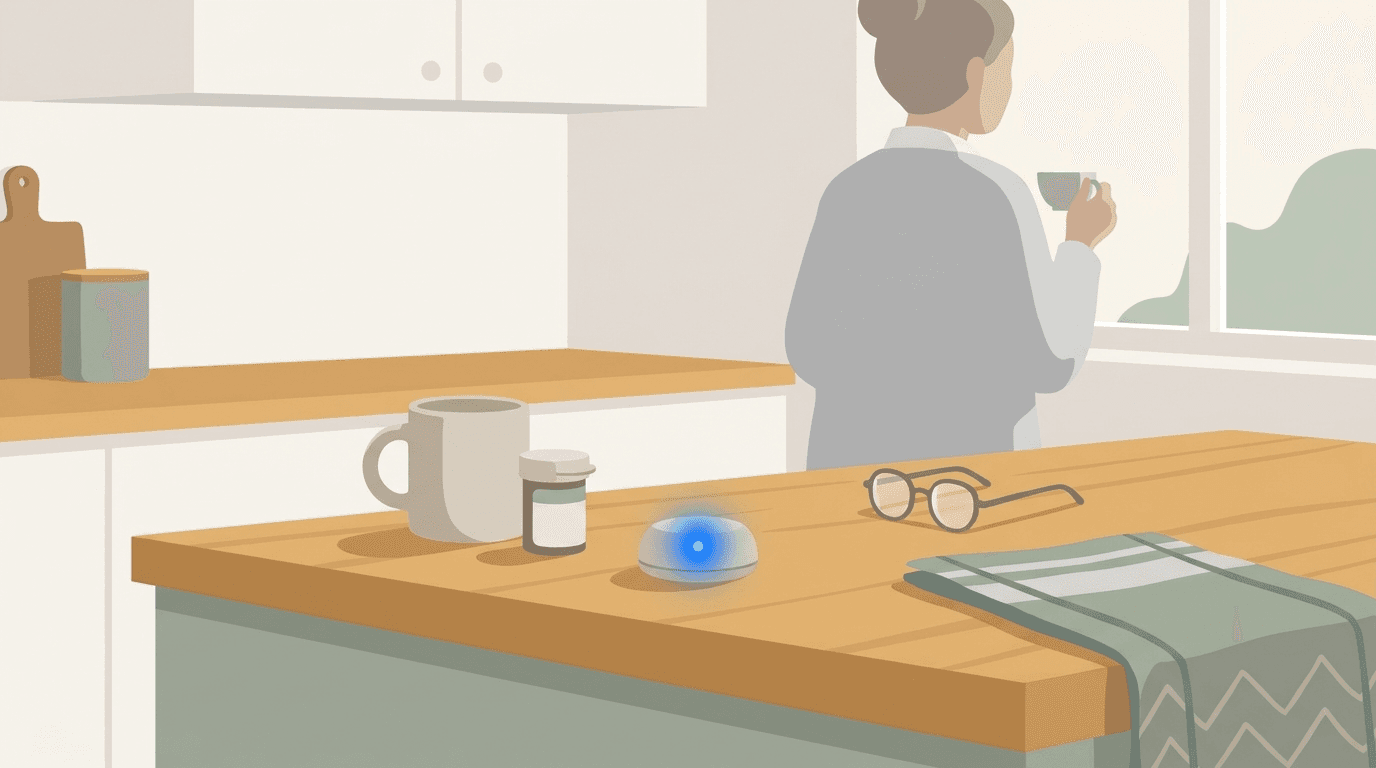
Diabetes does not announce itself with a crisis every day. Most of the time, a parent with diabetes is managing meals, checking their glucose, taking their medications, and getting on with their life. But the moments when things slip — a skipped meal, a medication mix-up, a low that hits faster than expected — are exactly the moments you are not there to see. That tension sits at the heart of monitoring a diabetic parent remotely: how do you stay close enough to catch a problem without making your parent feel like they are living under a microscope?
The answer lies less in technology and more in relationship. Tools help, but the foundation is trust, communication, and a plan your parent actually agrees to.
Start With a Conversation, Not a System
Before you research devices or apps, talk to your parent. Ask them what worries them about their diabetes, what they feel confident managing, and where they would genuinely welcome support. Many adult children skip this step and install monitoring tools unilaterally, which almost always creates friction.
When your parent helps shape the plan, they are far more likely to follow it. Frame the conversation around your own feelings rather than their limitations. Saying "I worry when I haven't heard from you and don't know how you're doing" lands very differently than "You need someone checking on you."
Use Technology as a Support Layer, Not a Replacement for Contact
There are genuinely useful tools for remote diabetes monitoring. Continuous glucose monitors (CGMs) from brands like Dexcom and Libre now offer caregiver-facing apps that show real-time glucose readings on your phone when your parent shares access. Medication management apps can send reminders and log adherence. A medical alert device gives your parent a direct line to help if they feel a hypoglycemic episode coming on.
These tools reduce risk, but they do not replace the human signal. A CGM can show you a number; it cannot tell you that your parent skipped lunch because they were too tired to cook, or that they have been feeling low-grade unwell for three days but did not want to worry you. That kind of information only surfaces in conversation.
Make Daily Check-Ins a Routine, Not a Check-Up
The most reliable early-warning system for a diabetic parent living alone is a consistent, low-pressure daily check-in. Not a clinical debrief, not a symptom inventory — just genuine contact at a predictable time.
Over weeks and months, you develop a baseline sense of how your parent sounds, what their energy level is, what is normal for them. When something is off, you feel it before you can even name it. Slurred words, unusual confusion, irritability, or fatigue can all point to blood sugar dysregulation. A skipped meal, a complaint about dizziness, or an offhand comment about feeling "weird" deserves follow-up.
Building this into a routine also reduces anxiety on both sides. Your parent knows you will call. You know they expect it. Neither of you is left wondering.
Coordinate With Siblings and Other Family Members
If you are not the only person involved in your parent's care, shared responsibility requires a shared system. Decide who calls on which days. Use a simple group chat or family coordination app to log anything concerning. Avoid the situation where your parent gets three calls in a day from worried children and none the next.
Distributing check-ins across family members also means your parent does not come to associate daily contact with worry or obligation. It becomes ordinary connection, not a welfare check.
Know When to Involve Their Medical Team
You are not your parent's doctor, and monitoring from a distance has real limits. Build a relationship with their primary care provider or endocrinologist so you know who to call if you observe a pattern that concerns you. Many providers now offer patient portal access or allow a designated family contact with appropriate consent.
If your parent has frequent lows, unexplained fatigue, or is struggling to manage medications consistently, that is a conversation for their care team, not something to manage solo from another city.
Respect Goes Both Ways
The goal is never to replace your parent's judgment or take over their life. Diabetes is something millions of people manage well for decades. Your parent has been navigating their own body and their own choices long before you started worrying about this. The most effective remote monitoring strategy is one that respects that history while building in a genuine safety net.
Check in consistently. Listen carefully. Use technology where your parent welcomes it. And be honest with yourself about the difference between reducing real risk and managing your own anxiety.
If you want a simple, reliable way to stay connected with the people who matter most, see how VIPCall works for families. Daily AI-powered check-ins keep you close without requiring you to overhaul your schedule or overstep the relationship you have worked hard to maintain.