Oct 1, 20268 min read
How to Ask Siblings for Caregiving Help Without a Fight
A practical script and plan for how to ask siblings for caregiving help, split tasks fairly, and stop carrying aging-parent care alone.
VIPCall TeamRead →

46 posts in this category
A practical script and plan for how to ask siblings for caregiving help, split tasks fairly, and stop carrying aging-parent care alone.

Working caregivers and sibling teams need concrete support, not vague advice. Here is what actually helps and where daily check-ins fit in.
Build a practical emergency plan for elderly parent living alone: fall response, medical info, contacts, and daily check-ins that catch trouble early.
A practical guide to home modifications for aging in place, what they cost, what Medicare covers, and how families track safety between visits.

The real disadvantages of aging in place go beyond falls. Here's what families overlook when deciding if a parent can safely stay home.
Is aging in place safe for your parent today? Here's how to assess real risk, close safety gaps, and decide with confidence.
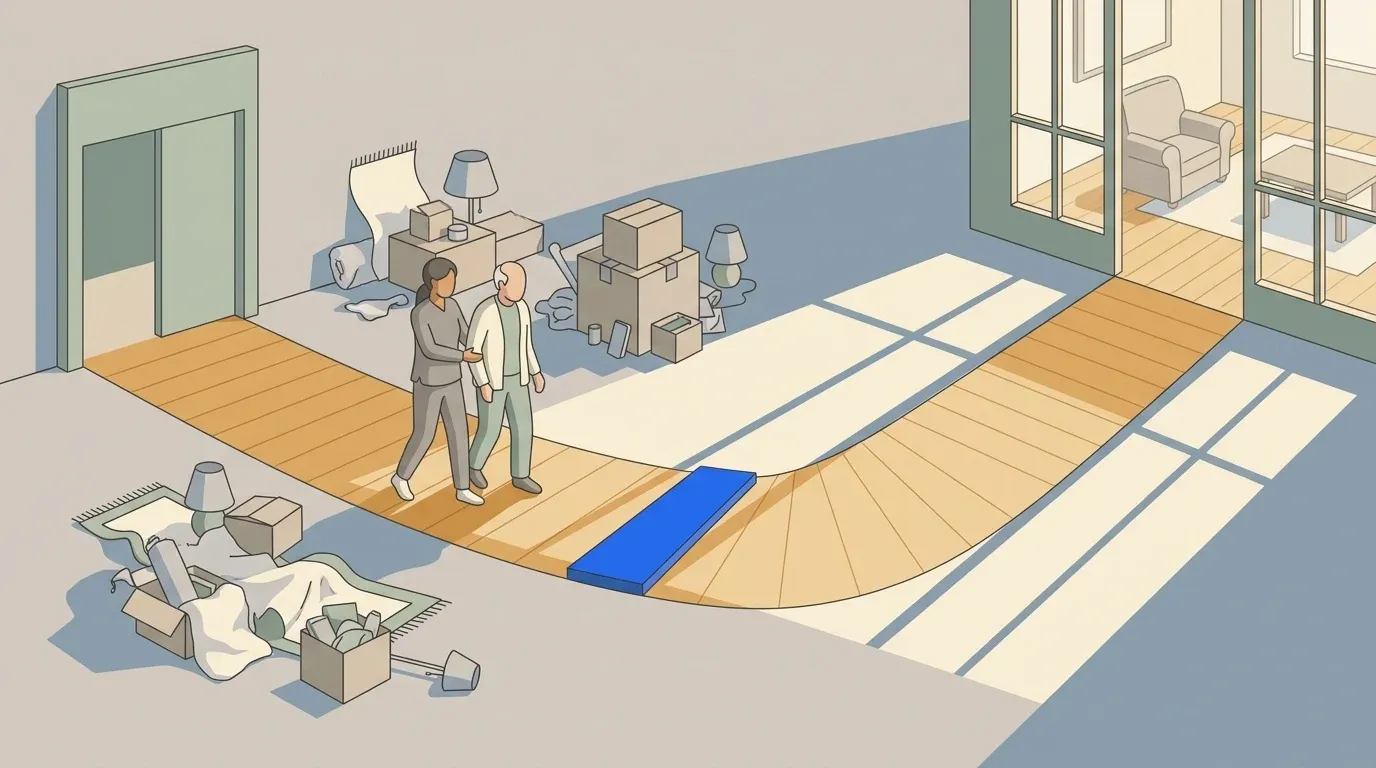
Practical steps adult children can take to prevent hospital readmission after a parent comes home, from discharge planning to daily check-ins.

A practical guide for adult children weighing whether it's safe to live alone after hospital discharge, with warning signs and next steps.

What to watch, ask, and track during the first 72 hours after hospital discharge, plus when to call for help and how families stay coordinated.

Medication confusion after hospital discharge sends older adults back to the ER. Here's how families can catch mistakes before they happen.

How long elderly recovery after a hospital stay really takes, what slows it down, and how families track progress without living at the house.
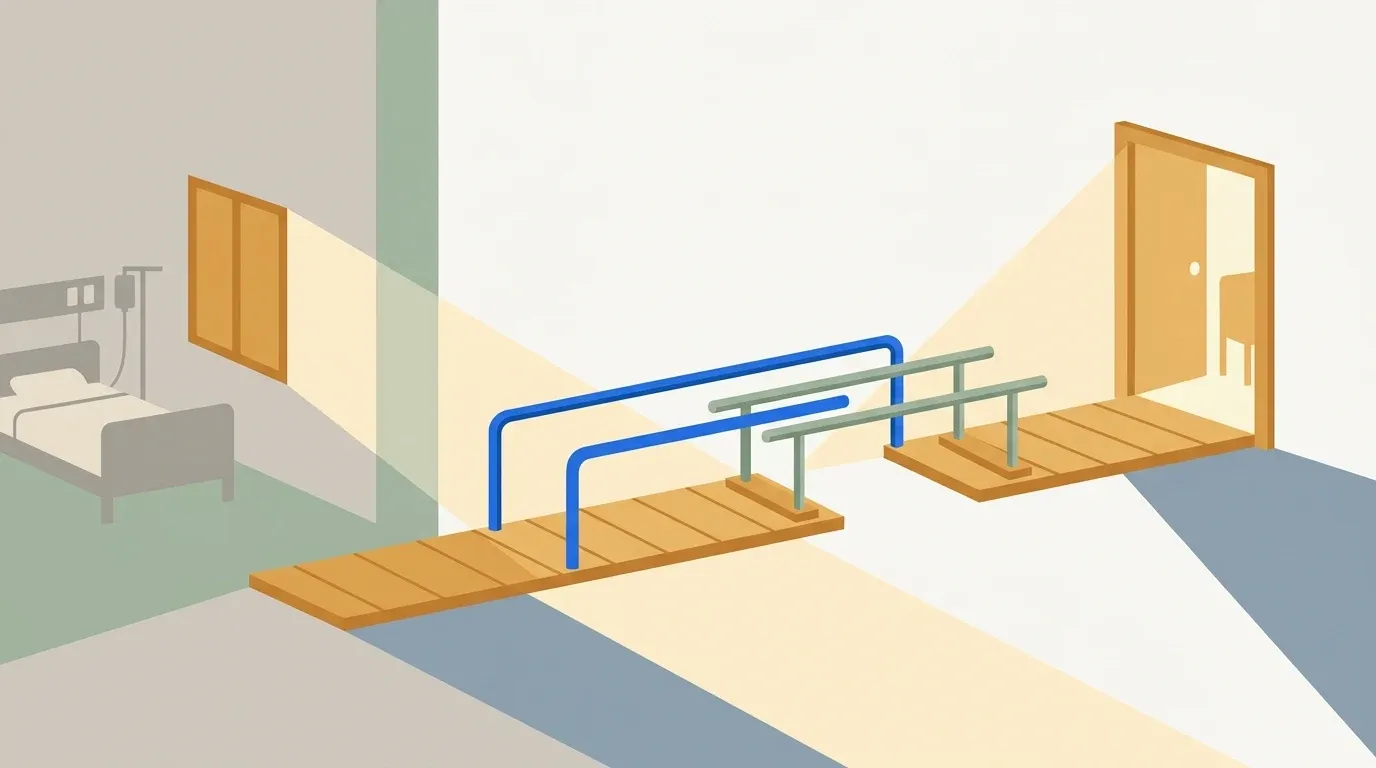
A clear breakdown of Medicare rehab coverage after discharge, including the 3-day rule, cost timeline, and why claims get denied.
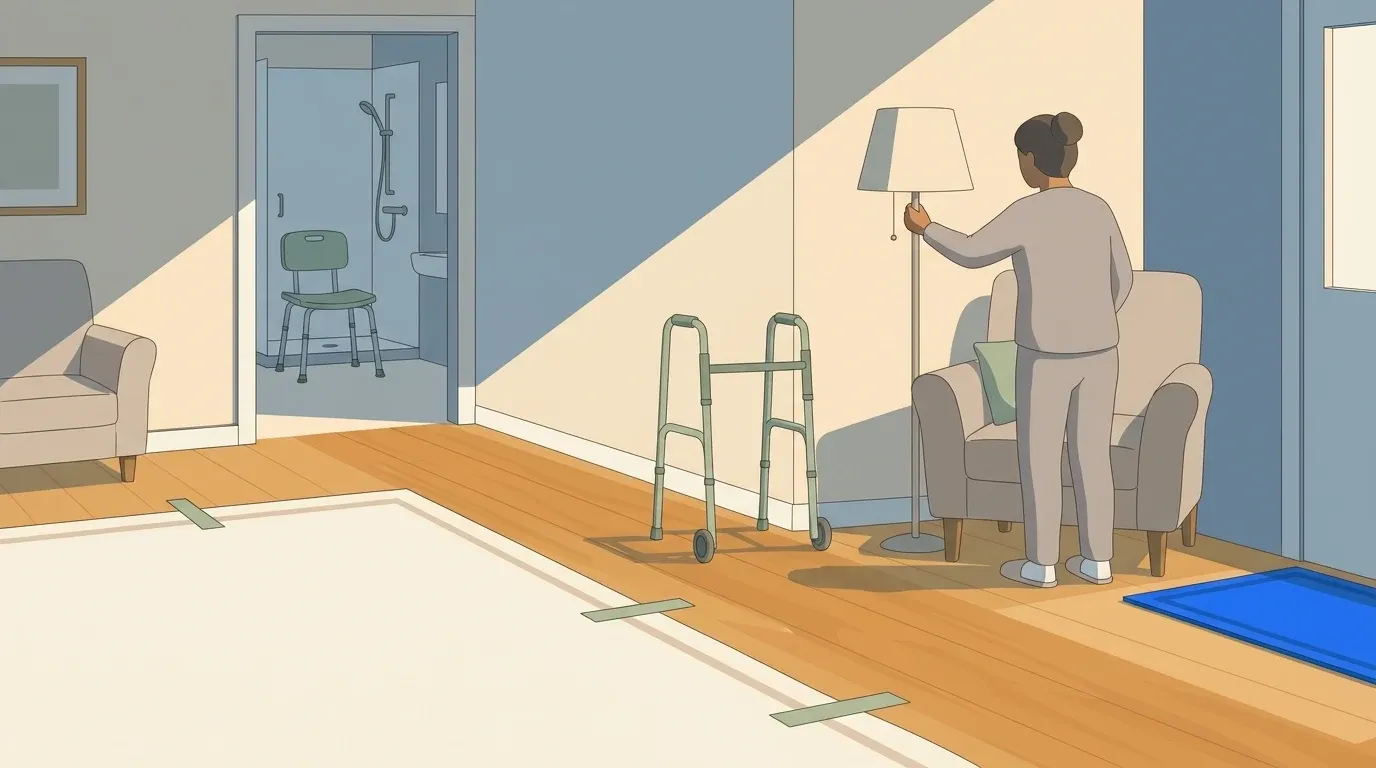
A practical checklist for adult children preparing for an elderly parent coming home from the hospital, from medications to warning signs.

Families pick home health agencies that keep them informed between visits. Here is how consistent communication becomes your agency's competitive edge.

A practical guide to the communication tools care teams and families need to reduce confusion, close update gaps, and coordinate aging-parent care.
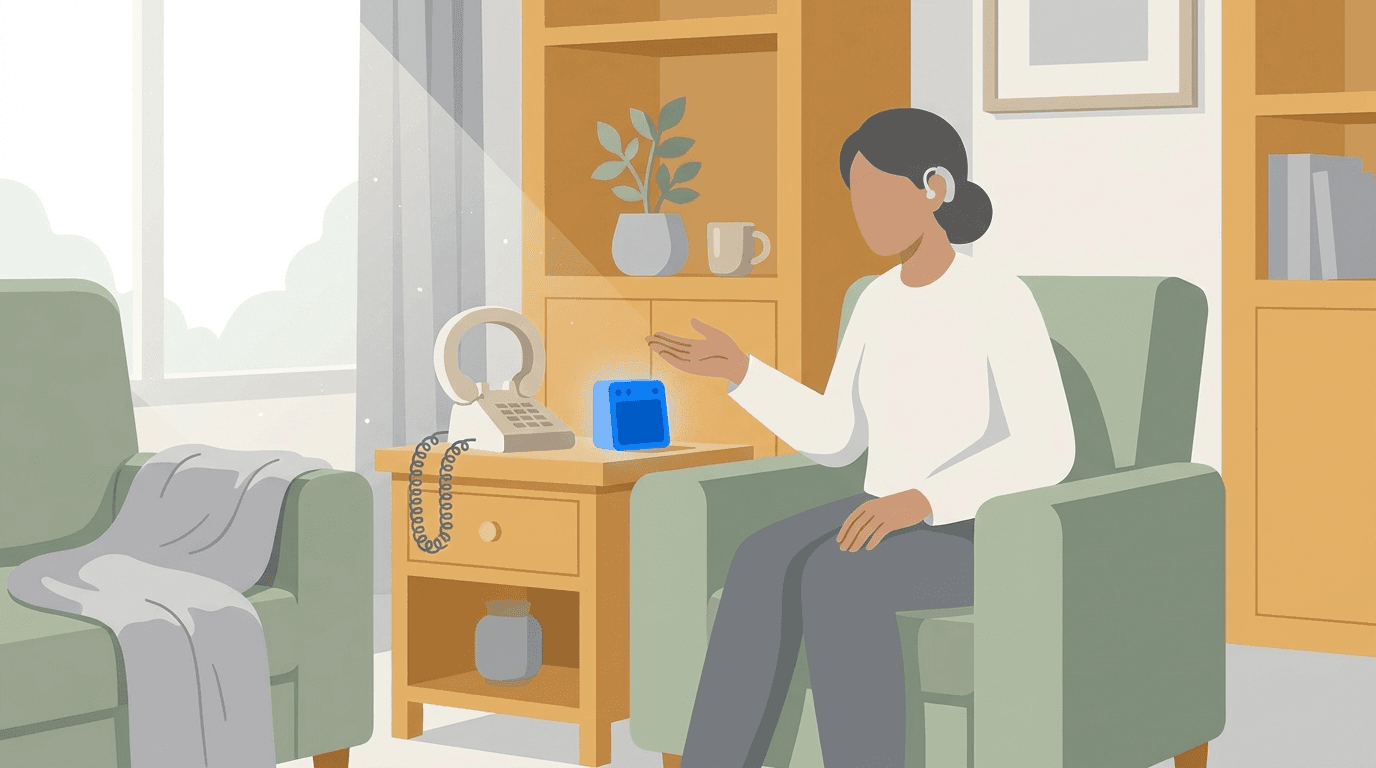
Staying connected with an aging parent who has hearing loss takes more than speaking louder. Here are practical tips that actually work.

You told her you'd call. You didn't. Now the guilt is eating you alive. Here's why it happens and what you can do about it.

When you're stretched thin between kids, work, and an aging parent, your own friendships quietly slip. Here's how a daily check-in changes that.

Building a real support network for someone who lives alone takes more than good intentions. Here's how to make it stick.

When you're the one holding the group together, here's how to build rituals that actually stick — without burning yourself out.

You care more than the average member. Here's how to build a check-in ritual your group will actually sustain without burning you out.

Faith communities that build daily check-in rituals stay tighter, lose fewer people to silence, and give organizers a structure that actually holds.

You want the group to stay close. Here is what happens when everyone agrees to check in every day — and how to make it stick.
The groups that stay close aren't luckier — they have small, repeatable rituals. Here's how to build one your people will actually stick with.
Daily check-ins help students build academic momentum, catch problems early, and stay connected to the people who support them most.
Freelancers lose focus when no one's watching. A daily check-in habit builds the accountability structure that solo work rarely provides.

Book clubs meet once a month, but real connection needs more than that. Here's why a daily check-in ritual can transform your group.
A morning check-in routine sounds simple, but most people abandon it within weeks. Here's how to build one that actually holds.
Learn how AI daily check-ins can replace scattered to-do lists with real conversations that hold you accountable and move you forward.

Long-distance friend groups are using daily check-ins to stay genuinely connected. Here's how it works and why it actually sticks.

Social media likes feel like connection but often leave us emptier. Here's why real relationships need more than a double-tap.

A daily check-in sounds small. But for the people you love most, it might be the single most powerful thing you do for your relationship.

A care circle is more than goodwill — it's a system. Learn how small communities build daily check-in habits that actually stick.

Discover how neighbors can organize daily check-ins for elderly and vulnerable residents, reducing isolation and preventing crises before they start.

Social media turns relationships into performance. Here's what changes when you stop posting for an audience and start reaching out to real people.
Distance and busy schedules pull friend groups apart. Here are honest, practical ways to stay close when life keeps getting in the way.
Most AI calling services forget every conversation. VIPCall remembers what your parent said Monday, their ongoing concerns, their patterns. Here is why that changes everything.

Daily AI check-ins help divorced families stay coordinated about their kids—both parents see the same update, same time. No filtering, no conflict, just shared information.

The 7-day Insights report from VIPCall shows patterns families miss in daily calls: mood trends, medication flags, sleep quality, recurring pain mentions.
Home health agencies can add daily AI check-ins as a value-add service for clients. Keep families informed between visits, reduce anxiety calls, improve family satisfaction—without adding liability.

A daily feed of people you actually care about—not social media noise. Daily wellness updates from aging parents, partners, friends who matter. Real connection.

The emotional toll of caring for aging parents: guilt, anxiety, resentment, grief. What nobody tells you about caregiver burden and what actually helps.

What to do when your parent refuses to move to assisted living? Learn why they're resisting, what actually works, and the middle solutions they might accept.

How families coordinate care for aging parents without chaos: the trusted contacts model, why group texts fail, and what actually works for real coordination.

Parents often hide health concerns from their adult children. Daily AI wellness calls reveal what they won't tell you - because they're not talking to their worried kid.
Feeling guilty about not calling your aging parents every day? You're not a bad child - you're busy. Here's how daily wellness calls help families stay connected.