
Jul 13, 20264 min read
60 Days of Check-Ins Reveal What One Visit Cannot
A single visit gives you a snapshot. Sixty days of daily check-ins give you the full picture — and that difference matters deeply for cognitive health.
VIPCall TeamRead →

9 posts in this category
A single visit gives you a snapshot. Sixty days of daily check-ins give you the full picture — and that difference matters deeply for cognitive health.
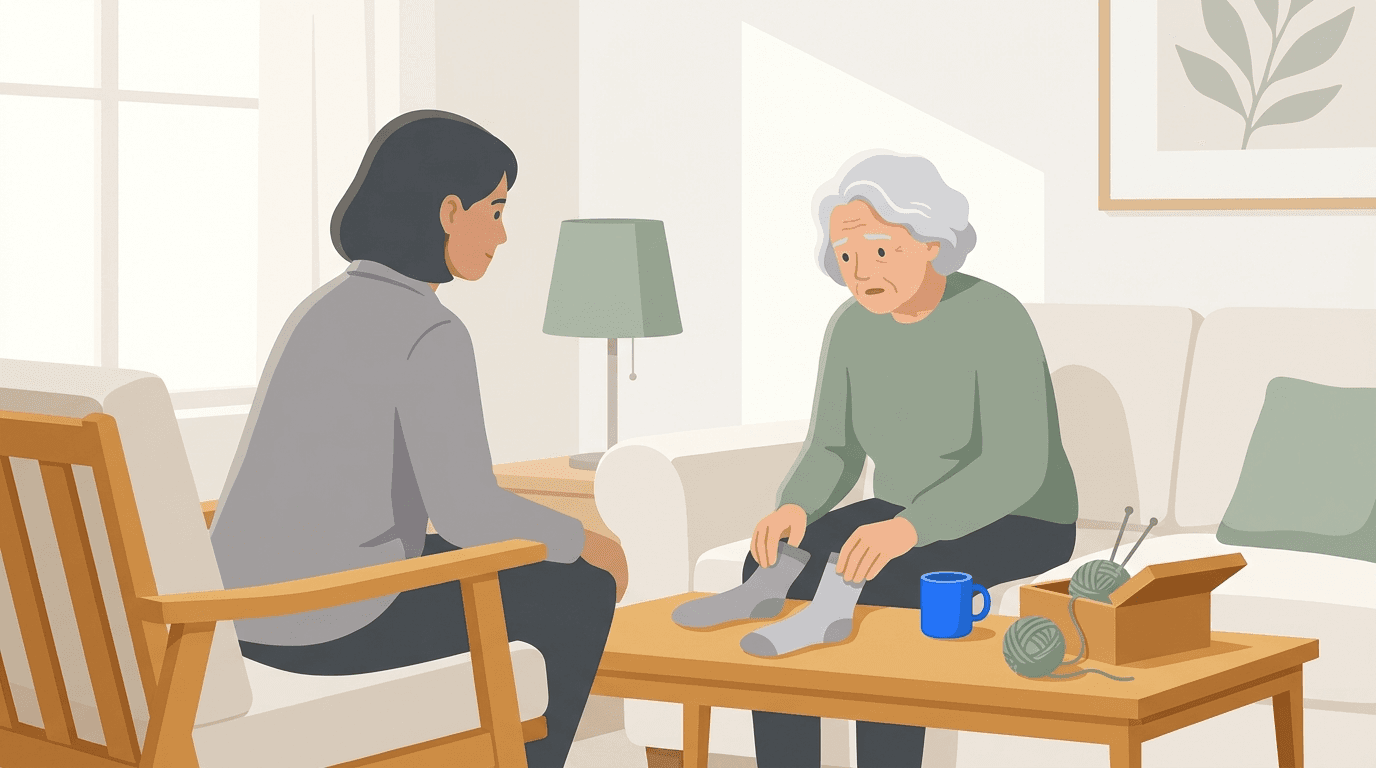
When your parent starts missing social cues and unspoken routines, it may signal early cognitive decline. Here's what to watch for.

Consistent AI phone check-ins can help seniors with memory challenges stay oriented, recognized, and connected to the people they love.

For people with dementia, a predictable daily routine isn't just helpful — it's one of the most powerful tools for safety and calm.

Practical ways to keep someone with mild cognitive impairment mentally active, socially connected, and emotionally supported every day.
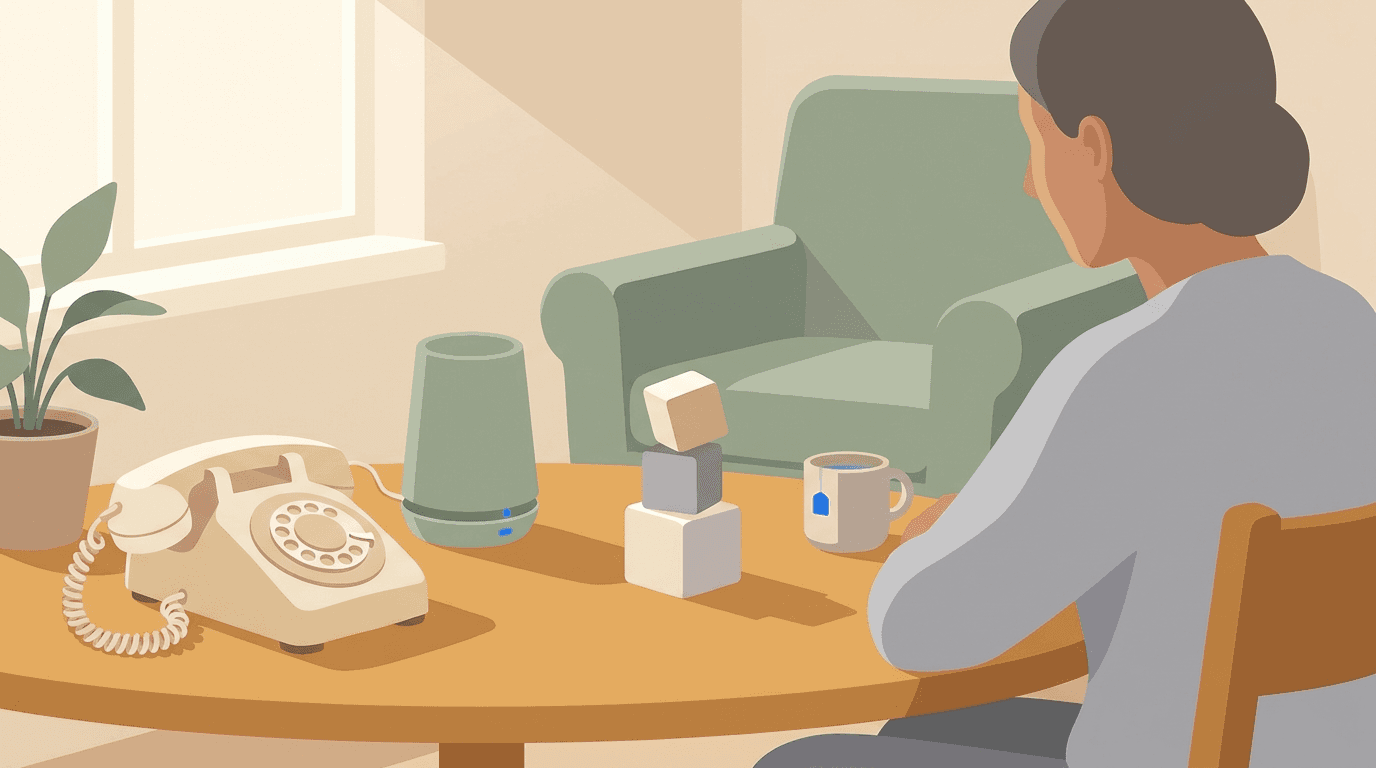
Learn which subtle shifts in your parent's phone conversations can be early warning signs of cognitive change worth paying attention to.
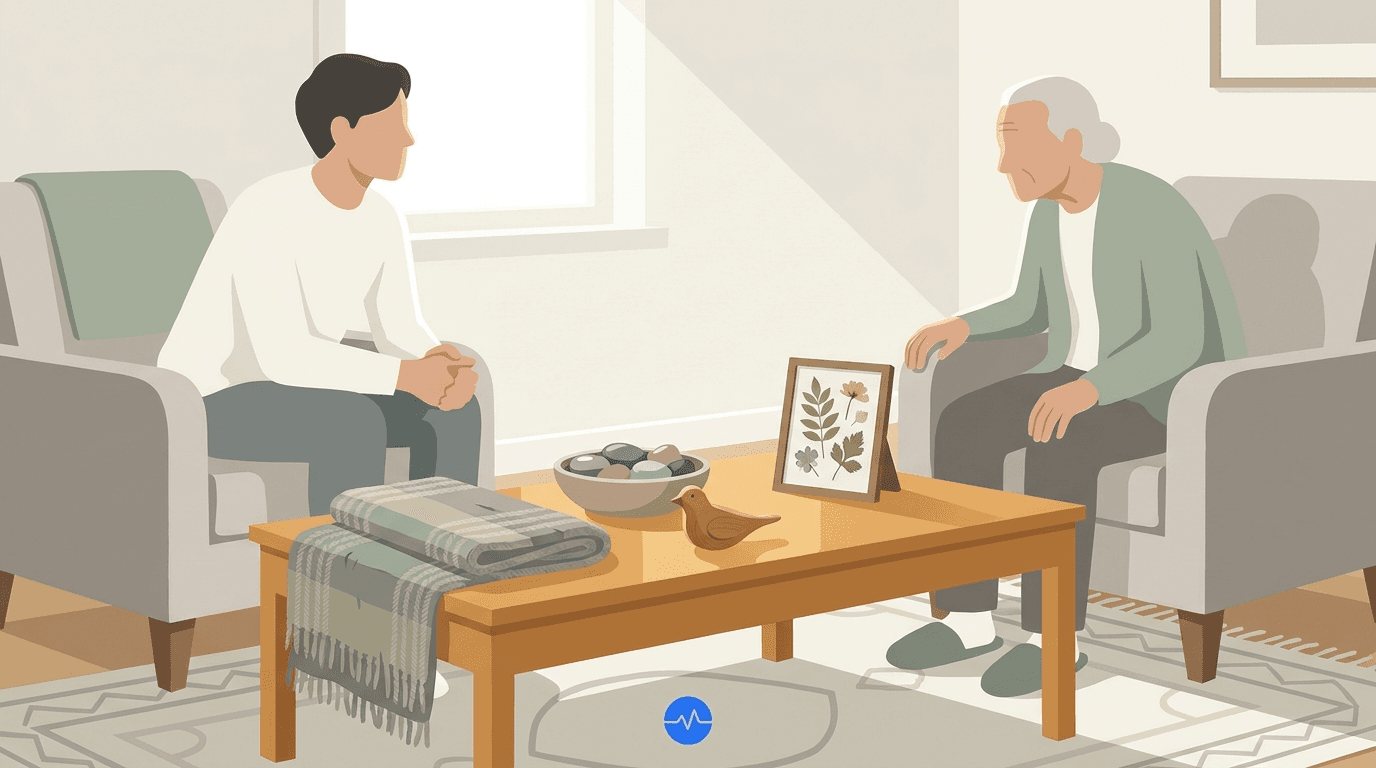
Dementia changes how a parent communicates, but it rarely silences them. Here's what to listen for and how to truly hear them.

Learn how consistent daily check-ins help families spot early signs of cognitive decline before small changes become serious concerns.

What is the sundown effect in elderly parents? Learn why evening confusion happens, warning signs, what to do, and why timing your check-ins matters.